Last updated: 9 May 2026 | Reviewed against official UK guidance where available | Budgeting and Money Tips
The Iran conflict can affect UK household costs through oil, gas and wider market volatility, but exact petrol, energy and food impacts vary and should not be treated as guaranteed. Ofgem says standard variable tariff customers are protected by the energy price cap until the end of June 2026, while future cap periods depend on wholesale conditions.
A household worried about petrol or energy costs should check current pump prices, review essential journeys, compare energy tariffs using actual usage, and contact suppliers early if bills become difficult to pay. Avoid taking out new credit or changing investments purely because of a headline market move.
Table of Contents
- How the Iran Conflict Can Affect UK Petrol Prices
- Energy Bills Under Pressure: Iran Conflict Effects on UK Households
- Supply Chain Disruption and Rising Food Costs
- How to Protect Your Finances from Global Conflict Price Rises
- Government Support and What Help Is Available
- Long-Term Financial Planning During Uncertain Times
- Understanding Market Volatility and Investment Impact
The Iran conflict has increased uncertainty in global energy markets, and UK households may see indirect effects through fuel, energy and wider inflation pressures. The exact impact is uncertain and depends on market prices, government policy, tariffs, supplier pricing and individual usage.
This guide focuses on what official sources say and what households can check before making financial decisions. It should not be used as a forecast of exact petrol, energy or food-price changes.
How the Iran Conflict Can Affect UK Petrol Prices
Oil-market disruption can feed through to UK pump prices, but the timing and scale are uncertain. Retail petrol and diesel prices also depend on exchange rates, wholesale fuel prices, retailer margins, fuel duty and VAT.
The Bank of England’s March 2026 Monetary Policy Summary said the conflict had significantly increased global energy-price volatility. That is useful context, but it is not the same as a guaranteed change at every UK forecourt.
What to check
- Current local petrol and diesel prices before changing travel plans.
- Whether a journey can be combined, delayed or made by a cheaper route.
- Fuel duty and VAT rules from GOV.UK if you are checking tax treatment.
- Your budget impact over a month, not just the cost of one tank.
Energy Bills Under Pressure: Iran Conflict Effects on UK Households
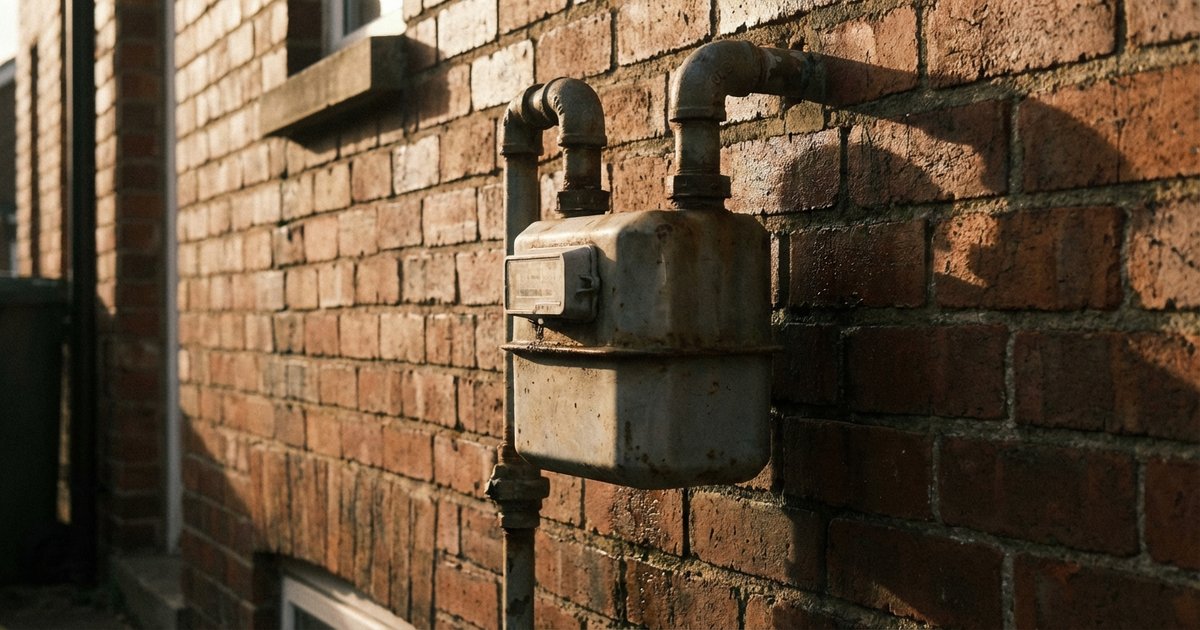
Ofgem says international events can affect wholesale gas and electricity prices, but households on standard variable tariffs are protected by the energy price cap until the end of June 2026. This means suppliers cannot charge more than the cap allows during that period.
Ofgem also says the situation is developing and it is too early to know how long-lasting the market impact will be. Sustained disruption to global gas markets could put pressure on future price-cap periods.
| Tariff type | What to check |
|---|---|
| Standard variable/default tariff | Current Ofgem cap, regional unit rates and your usage. |
| Fixed deal | Fixed end date, exit fee, unit rates and standing charges. |
| Prepayment meter | Current cap rates, top-up support and supplier help if you cannot afford energy. |
Supply Chain Disruption and Food Costs
Global energy and shipping disruption can affect business costs, but it is risky to attach exact food-price increases to one event without official data. Food prices depend on many factors, including harvests, exchange rates, transport costs, labour costs and retailer pricing.
For household budgeting, use your own grocery spend as the starting point. If prices rise, compare unit prices, check cheaper own-brand options, reduce waste and avoid stockpiling items you may not use.
How to Protect Your Finances from Global Conflict Price Rises
With geopolitical events affecting household budgets, protecting your finances requires both immediate action and longer-term planning. The key is building resilience into your financial situation whilst managing current cost increases effectively.
Immediate steps you can take include:
- Review your energy tariff: Check whether fixing your energy rate makes sense given current market conditions. MoneySavingExpert’s comparison tool can help identify the best deals available.
- Audit your driving habits: Consider car sharing, public transport alternatives, or combining trips to reduce fuel consumption.
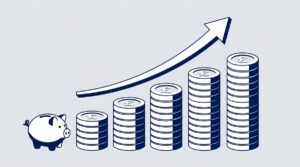
- Build an emergency fund: Even £500-1000 can provide crucial breathing space during price spikes.
- Review your budget: Identify areas where you can cut back to offset increased essential costs.
For those looking to invest during volatile times, our guide on starting investing with £25 offers practical advice for beginners wanting to build long-term wealth despite current uncertainties.
Consider diversifying your financial approach by exploring different savings and investment options. If you’re eligible, maximising contributions to tax-advantaged accounts can help offset the impact of rising costs over time.
Government Support and What Help Is Available
If energy bills become difficult to pay, Ofgem says you should contact your supplier as soon as possible. Suppliers must work with customers to agree an affordable payment plan.
You can also check GOV.UK for energy-bill support and your local council for local help. If debt is becoming unmanageable, MoneyHelper, Citizens Advice, StepChange or National Debtline can explain debt-support options.
- Ask your supplier about payment plans, payment breaks, hardship funds and Priority Services Register support.
- Check Warm Home Discount, Cold Weather Payment and other GOV.UK support where relevant.
- Do not borrow at high cost to cover bills without getting debt advice first.
Long-Term Financial Planning During Uncertain Times
Global conflicts and their economic impacts highlight the importance of robust long-term financial planning. Building resilience into your finances helps protect against future shocks, whether from geopolitical events, economic downturns, or personal circumstances.
Key long-term strategies include:
- Diversifying income sources where possible
- Building substantial emergency savings (3-6 months of expenses)
- Considering inflation-protected investments
- Regularly reviewing and consolidating financial products
For those approaching retirement, consolidating old workplace pensions can help streamline your finances and potentially reduce fees, providing better long-term outcomes despite current market volatility.
Property owners should also consider their mortgage arrangements. Our analysis of UK mortgage rates in 2026 can help you understand whether remortgaging makes sense in the current environment.
Understanding Market Volatility and Investment Impact
Geopolitical events can move financial markets, but short-term market reactions are not a reason to make rushed investment decisions. Investments can fall as well as rise, and the right response depends on your time horizon, risk tolerance and overall finances.
If you are unsure, consider guidance from a trusted public source or regulated financial advice. This article is general information only and is not investment advice.
The practical household focus is to review essential costs, build a realistic emergency buffer where possible, avoid panic borrowing, and check official sources before making financial decisions.
- How the Iran Conflict Can Affect UK Petrol Prices
- Energy Bills Under Pressure: Iran Conflict Effects on UK Households
- Supply Chain Disruption and Rising Food Costs
- How to Protect Your Finances from Global Conflict Price Rises
- Government Support and What Help Is Available
- Long-Term Financial Planning During Uncertain Times
- Ofgem: Middle East situation and energy bills
- Bank of England: March 2026 Monetary Policy Summary
- Ofgem: Get help if you cannot afford energy bills
- GOV.UK: Fuel duty rates
Rules, rates and provider terms may change. Check official sources before making financial decisions.
Before you act: household bills checks
Use this section as a final check before applying, claiming, switching, transferring money or relying on a figure. Rules, rates and provider terms can change, so verify the current position with the linked official sources.
| Decision point | What to check | Source to verify |
|---|---|---|
| Official rate or cap | Check the current cap, tariff, council decision or provider notice rather than relying on an average. | Ofgem: energy price cap Regulator or council |
| Your own usage | Use your bill, meter readings, contract dates and payment method to estimate the real impact. | Ofcom: phone and broadband price rises Provider account |
| Support options | Check social tariffs, hardship support, grants, discounts and complaint routes before arrears build. | GOV.UK: council tax Regulator / provider |
- Average Water Bill UK 2026: Why Bills Are Rising and How to Cut Yours
- April 2026 Bill Increases: Every UK Household Cost Going Up and How to Fight Back
- Broadband and Mobile Price Hikes April 2026: How to Avoid Paying More
- Council Tax April 2026: How Much Is It Going Up and Can You Reduce Your Bill?
- Energy Price Cap April 2026: How the 7% Drop Affects Your Gas and Electricity Bills
Frequently Asked Questions
How is the Iran conflict affecting UK petrol prices?
The conflict can affect oil-market volatility, which may feed through to pump prices, but the retail impact varies by wholesale prices, exchange rates, fuel duty, VAT and retailer pricing. Check current local prices before changing your budget.
Will the Iran conflict push up energy bills in the UK?
Ofgem says standard variable tariff customers are protected by the energy price cap until the end of June 2026. Future cap periods could be affected if wholesale disruption persists, but exact bill changes are uncertain.
How does Middle East disruption affect UK food prices?
Higher energy or shipping costs can affect some supply chains, but food prices depend on many factors. Do not rely on a single percentage estimate without official data.
Should I fix my energy tariff because of the Iran conflict?
Compare current unit rates, standing charges, exit fees and contract length using your own usage. A fixed deal can give certainty, but it is not automatically cheaper.
How can I protect my finances from global conflict price rises?
Review essential spending, avoid panic borrowing, contact suppliers early if bills are unaffordable, and check official sources before making financial decisions.